
Between Here and Home
A personal reflection on moving abroad from Nigeria to Germany; the loneliness, distance from family, and the quiet realities people rarely talk about.
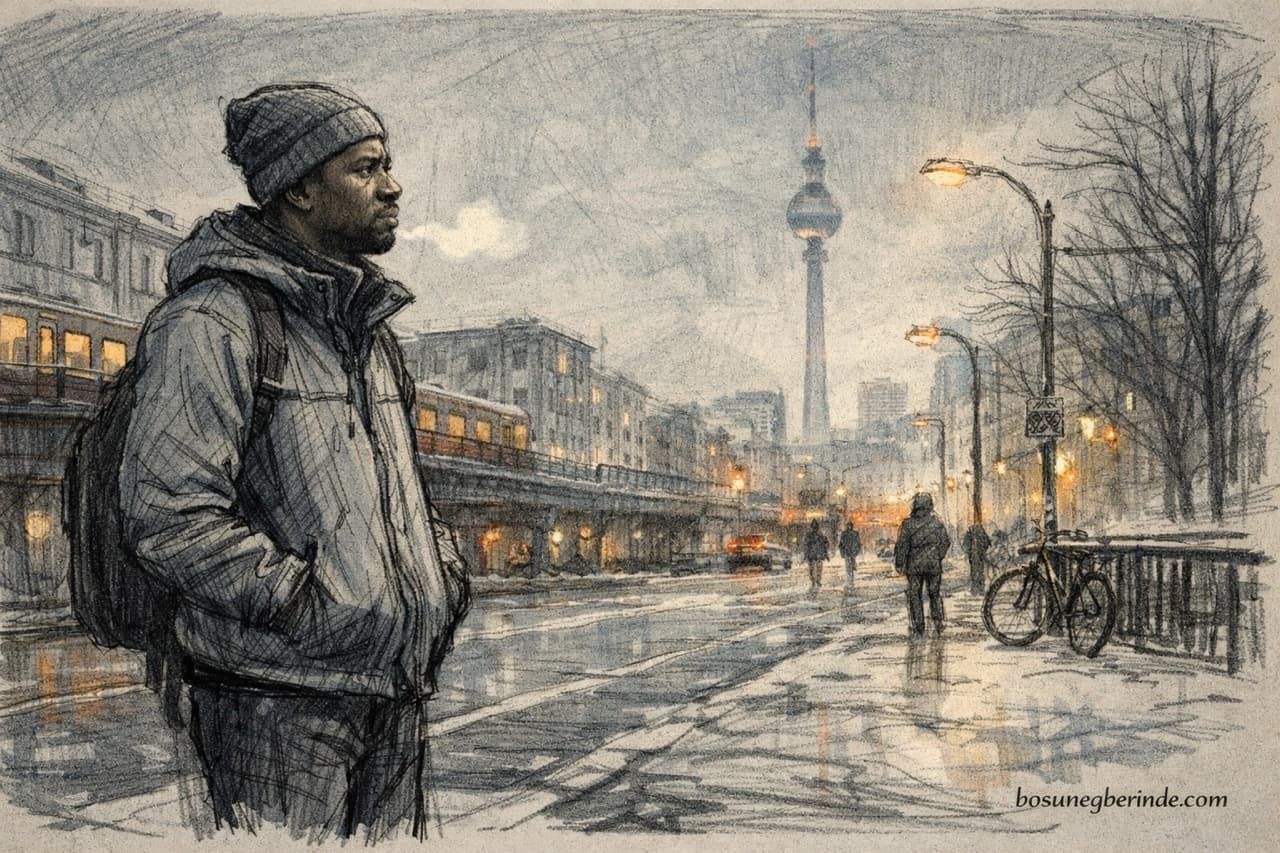
Right from when I was very young, I always imagined what it would be like to live abroad.
Back in Nigeria, we simply call it . It's almost a concept of its own. Everyone knows about it, everyone talks about it, and in many ways it becomes something people quietly aspire to. Growing up, you see people who traveled overseas and later returned home, and when they come back, life often appears much better for them than for those who stayed. The way their lives are presented, sometimes intentionally, sometimes not, makes it seem like moving abroad is a clear step up.
Because of that, the idea slowly settles into you. It becomes something you hope for. In many families, it is even prayed for. Parents pray that their children will travel abroad, and it becomes a kind of symbol of success. When you grow up in that environment, that perspective naturally shapes your expectations. You start to look forward to the same thing, and eventually, for many people, leaving the country becomes a goal.
But after traveling thousands of kilometers to live in another country, I now see the picture very differently. When you are back home, what you mostly see is the glamorous part - you see the results, not the process. You see the polished version of someone's life abroad, but not necessarily the challenges that come with it.
This isn't a write-up about the good parts of living abroad. There are many of those, and maybe that's a story for another time. Instead, this is about the parts that people rarely talk about.
The Quiet Loneliness
One of the things that doesn't get discussed enough is how lonely living abroad can be. Of course, there are communities - African communities, Black communities, and different groups who organize events and gatherings - but compared to the kind of community many of us grow up with in Nigeria, it can feel mechanical.
Back home, relationships are more organic. People just show up at your place in the evening. You visit someone without planning weeks ahead. Conversations happen naturally. Here, it often revolves around scheduled events or specific gatherings. If you want to see people, you attend those events. And while that helps, it's still very different from the everyday closeness many of us are used to.
Loneliness is not always dramatic. Sometimes it's simply the absence of the small things that used to fill your days.
The Difficult Choices
Another reality of living abroad is the kind of choices you sometimes have to make, and many of these are not easy. I once saw a situation where a close friend who had moved abroad lost one of their parents, and because of circumstances at the time, they were unable to travel back home for the funeral.
That situation stayed with me. Moving abroad can sometimes feel like telling yourself: I'm leaving, and I don't know when I'll be back. You don't know when the next visit will be, or if the people you're seeing today will still be there the next time you return. You talk on the phone and stay connected, but you can't always predict when you'll see someone in person again.
It's a strange reality to live with, especially because so many of these moments are outside your control.
Celebrations Without Family
The distance also shows up during life's joyful moments. I have friends who had babies while living abroad, and while that's a beautiful milestone, the experience can be very different from what it would be back home.
In Nigeria, when someone is expecting a child, family naturally gathers around them. Parents, siblings, relatives - everyone becomes part of the process. They help out, they support you, they celebrate with you. But when you live abroad, that kind of support system isn't automatically there. You often have to build it from scratch, and even when family visits, it's not the same as having them close by.
Starting Over With People
Another big adjustment is friendships. When you leave your home country, it's almost like pressing reset on many relationships. The friends you grew up with - people from school, from your neighborhood, from years of shared experiences - are no longer just a short visit away. Some remain back home, others move to different countries, and suddenly the simple things disappear.
You can't just decide in the evening to visit a friend's house and chat. Those everyday interactions that used to feel normal are gone. So you start again - meeting new people, building new relationships, and trying to create a new sense of community.
And all of this happens while you are also trying to manage your life - adjusting to a new country, doing well at your job, handling responsibilities, and figuring things out along the way. It's a lot to balance.
Sometimes when I watch movies where the main character marries their high school sweetheart or still has their best friend from childhood by their side, it feels special to watch. Those stories are very possible when people remain in the same place for most of their lives, but when you move across continents, life tends to unfold differently.
The Side People Don't See
These are some of the things people don't always see. When someone returns home from abroad, the visible parts of their life often look good. It may seem like everything is working perfectly for them, but there are many emotional and personal challenges beneath the surface, and those parts rarely get talked about.
This article isn't meant to discourage anyone from trying to improve their life or seeking opportunities in another country. Moving abroad can open doors and change lives in meaningful ways. But it's also important to understand that the grass is not always greener on the other side - or at least, not immediately greener.
Sometimes I think about it - whether, knowing all of this now, I would still make the same decision. And I think I would. Not because it's easy, or because everything turned out better, but because the alternative doesn't quite feel like the life I was reaching for. So you find yourself holding two truths at once: that this life comes with real weight, and that you would still choose it anyway.
There are realities you only understand after you arrive. Some people learn to navigate them and thrive. Others struggle more deeply with them. Either way, these are parts of the story that deserve to be told too.
Give a Gbosa
A Gbosa is a spirited hail or expression of kudos. Give one if this article left you with something. You have three to give.
Join the conversation
Comments
Loading comments…